

High-Throughput Screening (HTS) represents a cornerstone of the modern drug discovery process where the primary goal is the rapid identification of active compounds. In antibody development High-Throughput Production (HTP) describes the automated physical manufacturing of molecules while HTS handles the subsequent functional testing to obtain relevant data. This transition from the physical production of proteins to actionable data analysis is where the vision of a scientist meets the precision of state of the art robotics.
By converting biological material into digital readouts organizations can navigate the complex pharmacological landscape to identify the next breakthrough in the life sciences. This synergy between production and analysis allows for a more efficient journey from digital sequence libraries to validated leads. It depends on a reliable High-Throughput antibody production service to supply the physical material.
This guide is written by Julia Pizzolato, PhD, Commercial Scientific Liaison at evitria. With a background spanning antibody engineering, emerging modalities, and translational science, she provides technical consultation on antibody design and development, connecting deep scientific understanding with strategic decision-making.
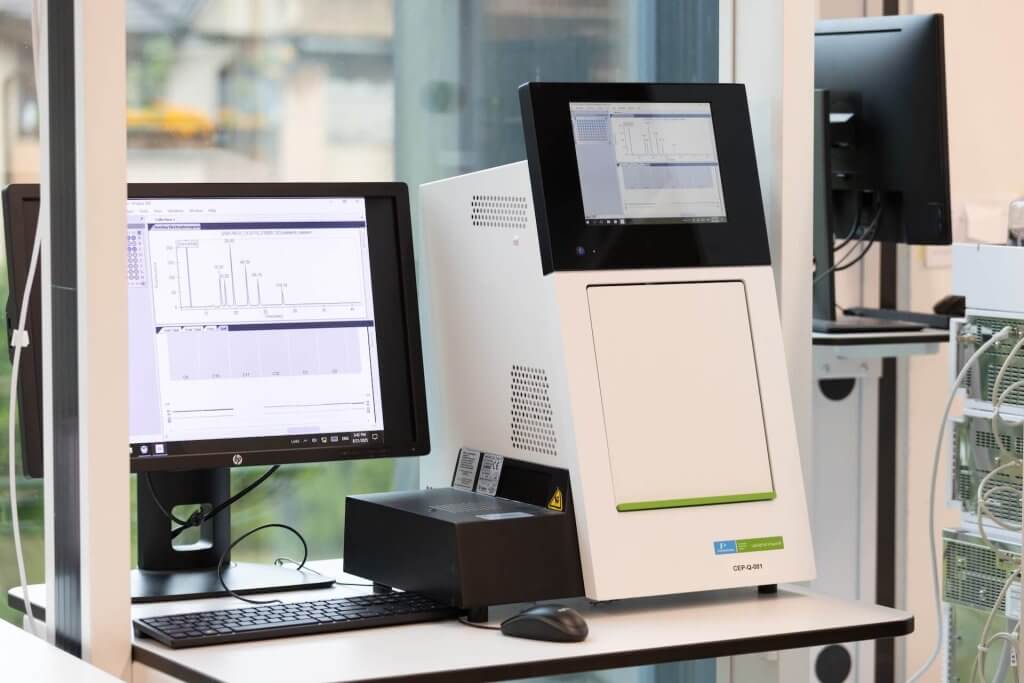
The Role of High-Throughput Screening in Modern Drug Discovery
The evolution of drug screening now relies on sophisticated screening technologies and an HTS system that can process a large number of candidates simultaneously. These workflows allow for the rapid identification of starting points for future medicinal chemistry efforts. While traditional technologies were originally built for small molecule chemical libraries, the same principles of automation are now applied across various screening platforms for recombinant antibodies.
Modern High-Throughput screening initiatives often integrate diverse datasets to find potent inhibitors of specific drug targets. By streamlining the path from hit confirmation to lead optimization, researchers can significantly reduce the overall timeline of drug development. This methodical approach ensures that resources are focused on candidates with the highest probability of clinical success.
Miniaturization and Automation in the HTS Facility
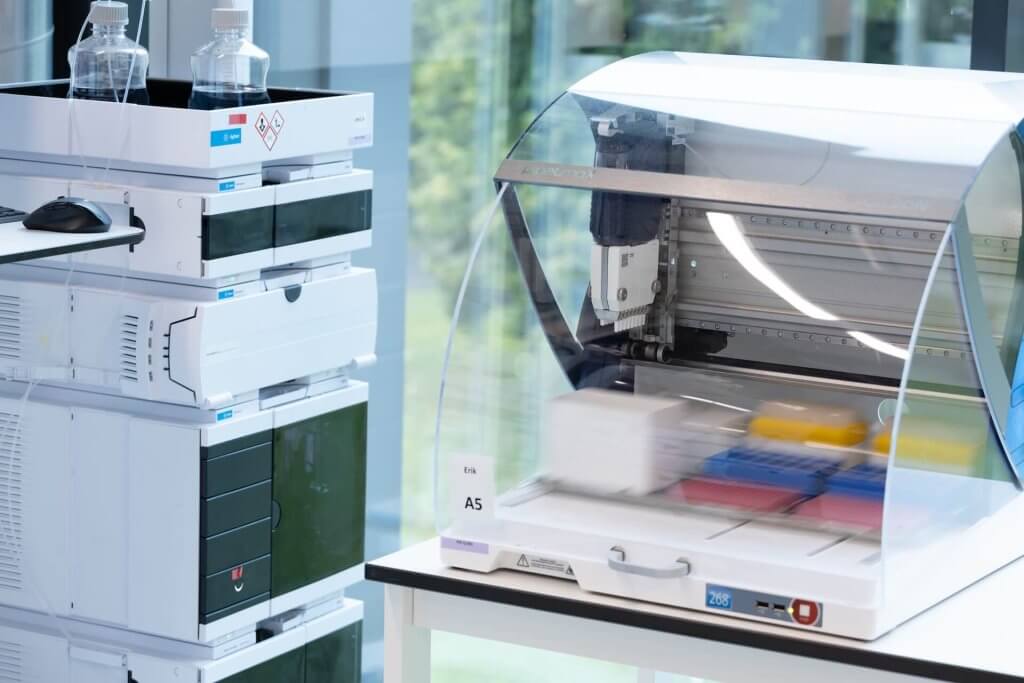
A modern HTS facility utilizes advanced liquid handlers and dispensing systems to eliminate the risk of manual pipetting errors. This automation allows for the use of well microplates which reduce the quantity of expensive reagents while increasing the overall throughput of the workflows. These systems efficiently transfer material from stock plates to prepare thousands of assay plates within a single run.
Automated liquid handling ensures that every well receives an exact volume of material to maintain consistency across the entire library. Robotics allow for 24 hour operation where incubation and readout steps are handled with minimal human intervention. Organized systems for managing compound libraries and antibody collections are essential for maintaining the momentum of the drug discovery process.
The same automation principles apply to the production side, where automation in antibody production keeps batch-to-batch variation low across large panels.
Bridging the Gap: Production for Biochemical and Cell Based Assays
The bridge between production and data is built through the development of robust HTS assays that can accurately measure the interaction between a candidate and its target. Whether the focus is on a specific receptor or the activity of enzymes the quality of the readouts depends on the fidelity of the physical protein. These data sets are often integrated with genomics to identify potent inhibitors of specific drug targets.
Plate readers utilize fluorescence or luminescence to detect binding events or functional changes in cell based models. Biochemical assays measure direct interactions between antibodies and purified drug targets such as enzymes or extracellular ligands. Cell based models evaluate the phenotypic response of cells to candidate molecules which provides insights into biological activity and potential cytotoxic effects.
Quality Control and Validation: Solving the Garbage In Garbage Out Problem
One of the most significant challenges in High-Throughput Screening is the risk of generating misleading data due to process variability. Researchers often utilize High-Throughput Screening assays in combination with crispr technology to validate target interactions identified during primary screening. This optimization of the screening workflow ensures that the active compounds identified are true leads rather than experimental artifacts.
Modern HTS initiatives often include High-Content Screening which provides a detailed phenotypic view of how a molecule interacts with a complex biological system. Utilizing statistical tools such as the Z-factor ensures that the HTS assay can clearly distinguish between active and inactive compounds. Regular monitoring of reagents and plate consistency helps to eliminate batch effects in HTP antibody production and experimental noise during hit confirmation.
Direct Comparison: Production Needs for HTS Assays
The technical requirements for High-Throughput Screening vary significantly based on the nature of the target and the intended readout. The quality of the data generated depends not only on the assay platform but on the upstream decisions made in HTP screening campaign design, including production standardization and control construct strategy.
The following table highlights the critical differences between biochemical and cell based screening environments.
| Feature | Biochemical Assays | Cell Based / Phenotypic Screening |
|---|---|---|
| Primary Target | Purified enzymes, receptors, or ligands | Living cells and biological systems |
| Common Readouts | Fluorescence, luminescence, or absorbance | High content imaging and cytotoxic effects |
| Reagent Needs | High purity proteins and drug targets | Specialized media and stable cell lines |
| Complexity Level | Focused on molecular interaction | Captures complex biological pathways |
| Typical Format | 384 or 1536 well microplates[1] | 96 or 384 well plates for imaging[2] |
| Validation Need | Binding affinity and enzyme kinetics | Functional response and developability |
Strategic Guidance: Partnering with evitria
Success in High-Throughput Screening depends on the high-quality of the material provided through High-Throughput production (HTP). As your Scientific Co Pilot evitria provides high-purity recombinant antibodies for your assays through specialized HTP workflows. By utilizing a CHO native environment for all production runs we eliminate the host cell variable and provide the clean data sets needed for analysis.
We provide the physical foundation for both biochemical and cell based High-Throughput screening campaigns through our specialized CHO transient platform. This commitment ensures that the molecule you identify in your screen remains the same molecule you advance toward the clinic while accelerating drug development. Our team ensures that every project initiation begins within 24 hours to support your critical milestones from discovery to the clinic.
FAQ: Critical Questions for HTS and Data Integrity
HTS allows for the rapid evaluation of compound libraries which significantly reduces the time required to identify active compounds. This helps researchers find the best starting points for future medicinal chemistry and development.
A biochemical assay measures direct interactions with a purified target such as an enzyme while a phenotypic screen evaluates a living cell or an organoid. Phenotypic screening captures how a molecule interacts with a complex biological pathway or system.
Precise liquid handling ensures that every well in a microplate receives an identical volume of reagents which is essential for maintaining data integrity. It prevents false positives and ensures lead comparability during the hit confirmation process.
Fluorescence based readouts detect light emitted by labeled ligands or antibodies upon binding which provides a quantitative measure of activity. This allows scientists to cherry pick the most potent candidates for secondary validation.
While robotics manage the physical execution scientific expertise is still essential for assay design and the interpretation of complex data. Continuous optimization of the platform is required to ensure that the HTS results remain robust and reproducible.
Sources
[1] Michael Berg, Katrin Undisz, Ralf Thiericke, Thomas Moore, Clemens Posten, Miniaturization of an Enzyme Assay (β-Galactosidase) in the 384- and 1536-Well Plate Format, SLAS Technology, Volume 4, Issue 6,1999,Pages 64-67,ISSN 2472-6303, https://doi.org/10.1016/S1535-5535(04)00042-500042-5).
[2] Becker, A. K., Erfle, H., Gunkel, M., Beil, N., Kaderali, L., & Starkuviene, V. (2018). Comparison of Cell Arrays and Multi-Well Plates in Microscopy-Based Screening. High-throughput, 7(2), 13\. https://doi.org/10.3390/ht7020013