Transient antibody production in CHO cells – Our approach at evitria
Transient antibody production is a method for the rapid, short-term expression of recombinant antibodies in host cells, without the need to generate stable producer cell lines. By transiently introducing antibody-encoding DNA into mammalian cells such as CHO or HEK293, antibodies can be produced and purified within days to weeks rather than months.
evitria, a specialist contract research organization based in Switzerland, has built its entire service platform around transient antibody expression in CHO cells, delivering purified, pharmaceutical-grade recombinant antibodies in as little as 4 weeks from sequence.
With over 25,000 antibodies expressed and more than 140,000 transfections executed, evitria’s CHO-based transient platform is one of the most extensively validated in the industry.

What is transient antibody production?
Transient antibody production is defined as the production of antibody variants via transient transfection of host cells, rather than through the generation of stable, clonally selected producer cell lines.
Because no genomic integration of the expression construct is required, the process is significantly faster. Host cells begin expressing the antibody within hours to days of transfection, and can be harvested as soon as one to three days after transfection, depending on the cell type and target protein.
Transient transfection introduces plasmid DNA into the cell, where it is expressed episomally. The transfected DNA is not passed on to daughter cells after division, meaning expression is time-limited. Typically a few days to weeks. This is in contrast to stable transfection, where the foreign DNA integrates permanently into the host cell genome and is maintained across cell generations.
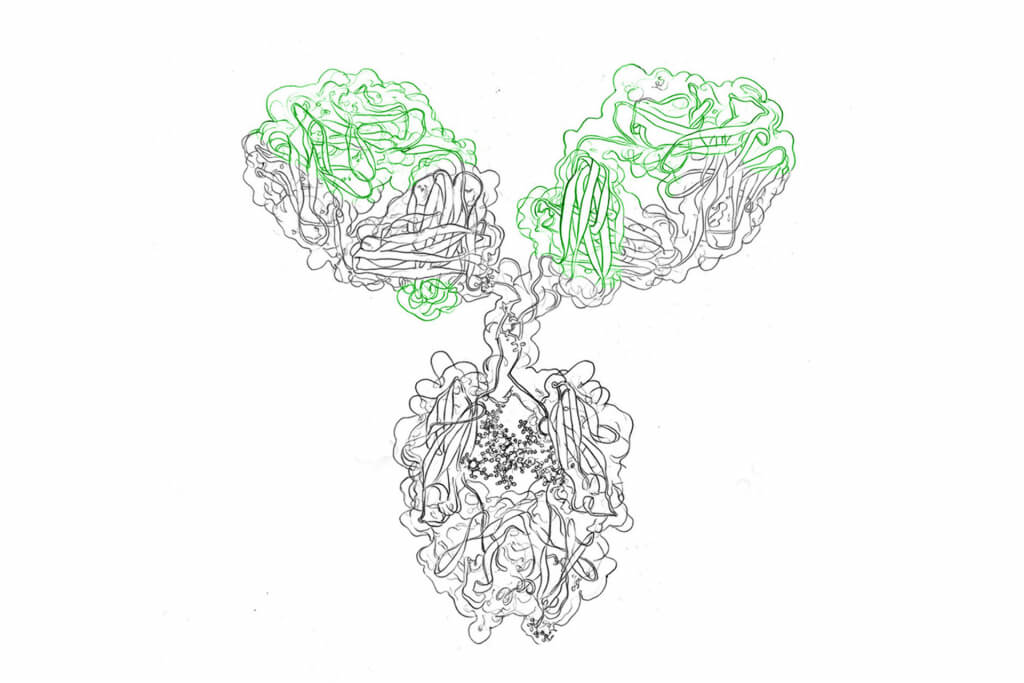
Transient versus stable transfection
| Transient transfection | Stable transfection | |
|---|---|---|
| DNA integration | No — episomal expression only | Yes — integrated into host genome |
| Timeline to first antibody | Days to weeks | Months (requires clonal selection) |
| Clonal selection required | No | Yes |
| Production scale | Small to large scale (CHO-based HTP) | Large scale |
| Flexibility | High — rapid switching between constructs | Low — committed cell line |
| Best use case | Discovery, screening, early-stage development | Clinical manufacturing, commercial supply |
Stable transfection offers sustained antibody expression and is the standard for commercial-scale manufacturing. However, it demands extensive clonal screening to identify high-producing cell lines and requires significant time and resources for development. Transient transfection’s key advantage is speed and flexibility — it enables rapid expression of antibody variants without committing to full cell line development, making it the preferred method for early-stage discovery, library screening, and pre-clinical material generation.
Why recombinant antibodies?
Recombinant antibodies, synthesized through genetic engineering techniques, are pivotal tools in various scientific and medical applications. These antibodies are crafted by introducing specific DNA sequences into host cells, enabling the production of antibodies with tailored characteristics.
Unlike traditional antibodies derived from animals, recombinant antibodies offer several distinct advantages:
Tailored characteristics: Genetic manipulation allows precise modification of antibody properties — enhancing specificity, altering Fc functionality, or engineering bispecific formats — catering to diverse research or therapeutic needs.
Consistency and reproducibility: Controlled production methods ensure uniform quality and batch-to-batch reproducibility, which is crucial for reliable experimental outcomes and regulatory compliance in therapeutic applications.
Reduced immunogenicity: Antibodies can be designed with minimized immunogenic features, mitigating potential adverse immune reactions in patients — a critical consideration in therapeutic development.
Diverse applications: Recombinant antibodies find utility in disease diagnosis, targeted therapy, antibody-drug conjugates, and the study of intracellular signaling mechanisms.

Advantages of Recombinant Antibodies at a Glance
Tailored characteristics
Genetic manipulation allows precise modification of antibody properties, such as enhancing specificity or altering functionality, catering to diverse research or therapeutic needs.
Consistency and reproducibility
Through controlled production methods, recombinant antibodies ensure uniform quality and reproducibility, crucial for reliable experimental outcomes and therapeutic consistency.
Reduced immunogenicity
By designing antibodies with minimized immunogenicity, potential adverse immune reactions in patients can be mitigated, a crucial aspect in therapeutic applications.
Diverse applications
These antibodies find utility in various applications, including disease diagnosis, targeted therapy, and probing intricate cellular mechanisms, fostering advancements across multiple scientific disciplines.
Case Study
Download
Fc engineering and reformatting – from monoclonal to bispecific
From mAb to bsAb – Download our case study on accelerating bispecific antibody design and production for targeted cancer therapeutics.

Why transient transfection at evitria?
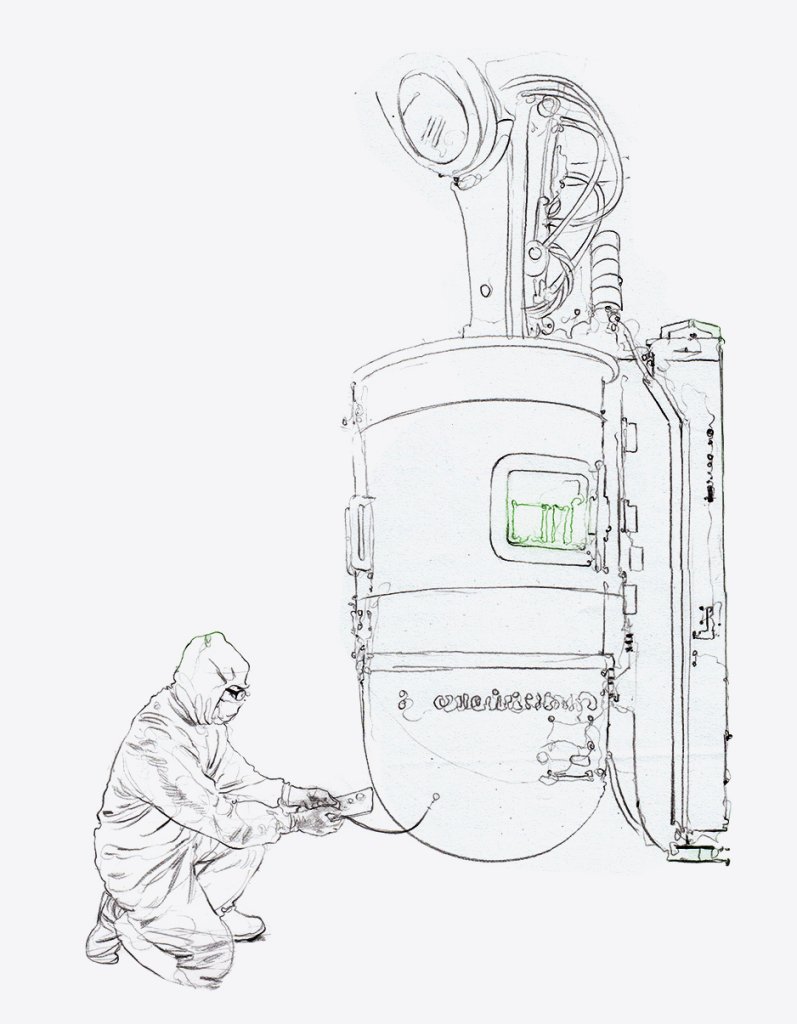
evitria’s preference for transient transfection is driven by accelerated production timelines and the ability to quickly adapt to diverse customer demands. The key advantages at a glance:
- Speed: No requirement for clonal selection or stable cell line establishment
- Flexibility: Rapid switching between antibody constructs supports parallel screening workflows
- Scale: Modern CHO-based transient systems support production from milligram to gram scale
- Animal-free: CHO cells have been maintained in vitro for decades — no live animals are involved in production
Transient antibody expression — step by step
The transient recombinant antibody expression process at evitria follows a defined workflow:
1. Cell culture generation: CHO cells are expanded to a defined cell density in growth medium.
2. Cell purification: Cultured cells are transferred to serum-free medium ahead of transfection.
3. Transfection: Plasmid DNA encoding the antibody heavy and light chains is complexed with a transfection reagent (commonly PEI — polyethylenimine) and added to the cell suspension. PEI-mediated transfection is the most widely used chemical transient transfection method due to its efficiency and scalability.
4. Medium exchange: The transfection solution is replaced with culture medium to remove transfection reagents and support productive expression.
5. Expression monitoring: mRNA and protein expression levels are monitored using reporter assays and human IgG/Fc capture ELISA to confirm productive transfection and measure titres.
6. Harvest and clarification: Antibodies are harvested from the cell culture supernatant and clarified by centrifugation and filtration.
7. Purification: Clarified supernatant is subjected to affinity chromatography (protein A), followed by polishing steps (size exclusion, ion exchange) to achieve >95% purity with endotoxin levels below 1 EU/mg.
Need fast and reliable transient antibody production?
Time is critical in research. Let us speed up your workflow with our industry-leading transient expression services.
Lisa Meza is here to guide you from sequence to purified antibody in record time.

Antibody production workflow at evitria
The antibody production workflow at evitria is meticulously designed to ensure efficiency, quality, and timely delivery. The process is streamlined to meet stringent standards while maintaining a rapid timeline. Typically 4 weeks from sequence submission to purified antibody.
Antibodies resulting from evitria’s workflow are consistently high-quality and meet stringent industry standards. With endotoxin levels below 1 EU/mg, these antibodies are suitable for a wide array of applications from in vitro assays to in vivo pre-clinical studies.
From sequence to antibody in 4 weeks
We know how tight timelines in biotechnological projects can be. With resources and know-how at hand, our efficient workflow allows us to provide you with recombinant antibodies within only 4 weeks. Starting with a pilot study, large-scale expression commences after 2 weeks, followed by purification, extensive analytics, and – finally – shipment of the deliverables to our customers worldwide.
Week 1
Week 2
Week 3
Week 4
Pilot Study*
Larger-scale expression
Purification
Final analytics
Shipment
0
1
2
3
4
5
6
7
8
9
10
11
12
13
14
15
16
17
18
19
Business days
evitria’s transient expression service portfolio – rAbs in CHO cells
evitria’s expertise in transient expression of recombinant antibodies using CHO cells is the cornerstone of its service portfolio.
The transient expression approach leverages the full advantages of CHO cells — delivering rapid, high-quality antibody production within timelines of approximately 4 weeks, while maintaining endotoxin levels below 1 EU/mg.
The service portfolio spans the custom development and manufacturing of various recombinant antibody formats, including:
- Standard IgG formats (IgG1, IgG2, IgG4)
- Afucosylated antibodies (enhanced ADCC for oncology)
- Fc-silenced antibodies (effector function ablation)
- Bispecific and trispecific antibodies
- Other recombinant proteins
Core engineering capabilities include isotype switching, chimerization, glyco-engineering, and the development of bispecific or multispecific formats — all executed within the CHO transient platform to ensure speed, consistency, and pharmaceutical-grade quality.

The role of transient antibody production in drug development
Transient antibody production has become an indispensable tool across the drug development pipeline. Its relevance extends beyond small-scale research:
Drug discovery and antibody engineering: Transient production enables rapid physical validation of computationally designed or AI-generated antibody libraries — moving from sequence to assay-ready protein in weeks rather than months.
Pre-clinical development: Generating material for in vitro and in vivo studies without committing to stable cell line development reduces timeline and cost risk early in the pipeline.
Pandemic and emergency response: The COVID-19 pandemic demonstrated the value of transient systems for rapid antibody generation at scale — from research-grade comparators to serology assay antigens — where stable cell line timelines are untenable.
Bridging to clinical manufacturing: Data generated using transient CHO expression is directly translatable to stable CHO manufacturing platforms, ensuring that pre-clinical findings are not confounded by host cell system changes.
As recombinant protein production requires significant expertise and specialized equipment, many pharmaceutical and biotech companies partner with specialist CROs such as evitria for transient gene expression — accessing high-throughput capacity without capital investment.
HEK293 or CHO cells for transient antibody expression?
Both HEK293 and CHO cells are mammalian expression systems capable of correct protein folding and post-translational modifications, making both suitable for transient recombinant antibody production. The choice between them involves several practical considerations:
HEK293 cells generate glycosylation profiles closely resembling human profiles, making them suitable for recombinant protein production where human-like glycans are specifically required. High cell division rates also make them useful in biotherapeutic contexts.
CHO cells offer high transfection efficiency, ease of culture, and the ability to produce large quantities of recombinant protein. Compared to HEK293 cells — which are of human origin — CHO cells show lower toxicity levels and are less susceptible to human viruses, a relevant safety consideration in GMP-adjacent environments.
CHO cells are also the dominant host system for commercial therapeutic antibody production: of approximately 40 novel antibody molecules entering clinical trials each year, the majority are produced in CHO cells.
evitria uses CHO cells exclusively for this reason — the platform delivers both the glycosylation fidelity and the regulatory track record required for pre-clinical and clinical-stage antibody production.
5 advantages of transient transfection
Transient transfection presents numerous advantages that contribute to its significance in biotechnological applications. Its distinct characteristics redefine protein expression methods, offering:
1. No permanent genome modification
Transient transfection is characterized by providing:
- Temporary alterations – the ability to introduce genetic material for a limited duration without permanently integrating it into the host cell’s DNA
- Preservation of cellular integrity – ensures the cell retains its original genetic blueprint once the transient expression period concludes
- Safety in research and applications – minimization of potential risks associated with permanent genetic modifications, ensuring a safer approach for experimentation and application in therapeutic protein production
The absence of permanent genome modification in transient transfection offers a controlled and reversible means to conduct experiments and produce proteins, maintaining the integrity and safety of the host cells.
2. Fast protein expression
Transient transfection facilitates rapid protein expression by swiftly introducing genetic material into host cells, prompting immediate protein synthesis without the prolonged adjustments necessary in stable transfection methods. This rapidity is crucial for researchers needing quick access to proteins, particularly in time-sensitive experiments or when urgent protein production is required for therapeutic or research purposes.
The accelerated protein expression afforded by transient transfection benefits researchers and biotechnologists working on projects demanding swift protein synthesis. For instance, in drug development or therapeutic protein production, where timely access to proteins is vital for testing or treatment formulations, this rapid expression capability becomes invaluable.
Additionally, in research scenarios where quick experimentation turnover is essential, transient transfection’s ability to swiftly provide proteins enables faster iterations of experiments, accelerating the pace of discovery and innovation. This feature streamlines biotechnological processes, enhancing productivity and enabling quicker advancements in various fields reliant on protein synthesis.
3. Flexibility in cell line choice
Transient transfection permits the use of varied cell lines, empowering researchers to select the most fitting for their experiments. This flexibility accommodates diverse research needs, allowing optimization based on scalability, protein type, and specific experimental requirements.
The choice also includes mammalian cell lines like HEK293 and CHO cells, enabling customization for optimal protein expression. This adaptability ensures tailored approaches, enhancing protein yields and overall efficiency in diverse biotechnological applications reliant on transient transfection.
4. Scalable production processes
Transient transfection streamlines scalability from small to large production scales without requiring extensive infrastructure. Enhanced transfection efficiency ensures consistency across scales, expediting the scaling process.
Its rapidity suits time-sensitive projects, offering adaptability and cost-efficiency. Moreover, its compatibility with various cell lines amplifies its versatility, catering to diverse protein production needs and enabling swift scalability for various applications.
5. Expression of various proteins
Transient transfection accommodates diverse protein expressions, spanning antibodies, enzymes, signaling molecules, and therapeutic proteins. This versatility is advantageous as it enables the synthesis of various protein types, including complex proteins with specific modifications or intricate folding.
Researchers benefit from this adaptability, using it to study protein functions, conduct assays, and produce therapeutic proteins. Additionally, it facilitates efficient screening and quick prototyping, expediting the assessment of protein characteristics and the development of novel proteins or formulations.
FAQs about transient antibody production
CHO cells offer high transfection efficiency, robust growth in serum-free suspension culture, and the ability to perform correct post-translational modifications including native-like glycosylation. They produce complex proteins with proper folding, are amenable to large-scale high-throughput expression, and have a well-established regulatory track record. Compared to HEK293 cells, CHO cells show lower susceptibility to human viruses — an important safety consideration in pharmaceutical production.
In stable transfection, plasmid DNA integrates permanently into the host cell genome, enabling continuous, heritable antibody expression — but requiring months of clonal selection. In transient transfection, the DNA enters the cell but does not integrate; it is expressed episomally for a limited time (days to weeks) before being diluted through cell division. Transient transfection is faster and more flexible; stable transfection is the standard for long-term commercial manufacturing.
Transient recombinant antibodies are antibodies produced by introducing foreign antibody-encoding genes into host cells via transient transfection, allowing the cells to synthesize the antibody for a defined, limited period. They are sequence-defined, animal-free, and typically produced in CHO or HEK293 cells.
At evitria, the timeline from confirmed antibody sequence to purified, assay-ready recombinant antibody is typically 4 weeks. This compares to six to twelve months for stable hybridoma-based monoclonal antibody generation and three to four months for stable recombinant cell line development.
Transient CHO expression supports a wide range of antibody formats: standard IgG1/IgG2/IgG4, afucosylated antibodies, Fc-silenced antibodies, bispecific and trispecific antibodies, and antibody fragments. Complex multispecific formats that cannot be reliably produced via hybridoma technology are particularly well suited to recombinant transient expression.
Expression vectors for mammalian cells are specialized DNA molecules used to transfer and express foreign genes in mammalian cells, enabling the production of proteins of interest. A frequently used approach employs viral-based vector systems, though plasmid-based vectors (such as those used in PEI-mediated transfection) are the most common for transient CHO expression.
Transiently expressed antibodies produced via evitria’s CHO platform achieve >95% purity (by SEC-HPLC) with endotoxin levels below 1 EU/mg, meeting the quality requirements for in vitro functional assays, in vivo pre-clinical studies, and regulatory submissions.
References
- Vink T, et al. A simple, robust and highly efficient transient expression system for producing antibodies. Methods. 2014. doi:10.1016/j.ymeth.2013.07.018
- Derouazi M, et al. Serum-free large-scale transient transfection of CHO cells. Biotechnol Bioeng. 2004. doi:10.1002/bit.20161
- Zhang JH, et al. Strategies and Considerations for Improving Recombinant Antibody Production and Quality in CHO Cells. Front Bioeng Biotechnol. 2022. doi:10.3389/fbioe.2022.856049
- Zhong X, et al. Transient CHO expression platform for robust antibody production and enhanced N-glycan sialylation. Biotechnol Prog. 2018. doi:10.1002/btpr.2724
- Chong ZX, et al. Transfection types, methods and strategies: a technical review. PeerJ. 2021. doi:10.7717/peerj.11165
- Rodriguez-Conde S, et al. Suitability of transiently expressed antibodies for clinical studies. mAbs. 2022. doi:10.1080/19420862.2022.2052228
- Esposito D, et al. Optimizing high-yield production of SARS-CoV-2 soluble spike trimers for serology assays. Protein Expression and Purification. 2020. doi:10.1016/j.pep.2020.105686